



You are currently viewing Top 7 Types of Organizational Culture That Define Every Workplace

Top 7 Types of Organizational Culture That Define Every Workplace

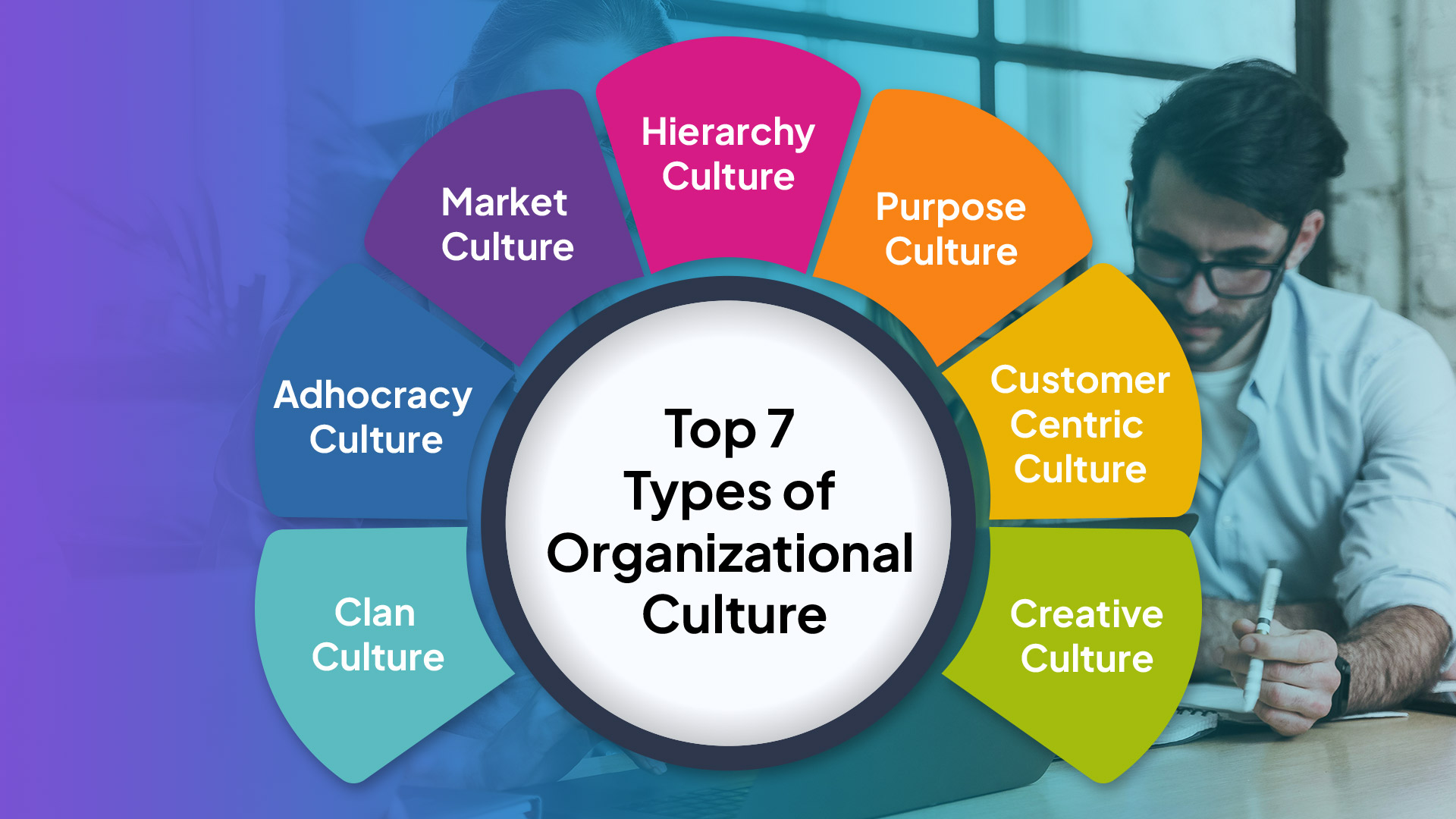
Ever wondered why some workplaces feel inspiring while others feel rigid? Are you curious about what makes one company culture thriving and another just surviving? Understanding the types of Organizational Culture is the first step to creating a workplace that motivates people and drives results. When you recognize the right organizational culture types, you empower your team to collaborate, innovate, and succeed. In this blog, you will explore the top 7 types of Organizational Culture—why they matter, how they impact performance, and how to identify which one matches your workplace best.

Why Organizational Culture Matters

When you grasp the importance of types of Organizational Culture, you unlock the potential for growth, retention, and engagement. Here are five key reasons culture matters:

  1. Shapes Employee Behavior and Engagement – Corporate culture types set norms for collaboration, communication, and innovation. When you understand your workplace’s culture type, you create systems that encourage positive behaviors and sustained motivation among your team.
  1. Influences Recruitment and Retention – Different types of Organizational Culture attract different personalities. Knowing your culture helps you hire candidates who fit effectively, reducing turnover and improving overall engagement.
  1. Drives Business Alignment and Purpose – Your organizational culture types affect how employees align with your mission, values, and goals. A clear culture fosters alignment, helping teams work toward common objectives with purpose and clarity.
  1. Affects Performance and Productivity – Certain types of Organizational Culture—like market-driven or collaborative styles—boost accountability, creativity, and efficiency. Selecting or shaping the right culture can directly impact productivity and results.
  1. Supports Change and Innovation – Some corporate culture types, such as creative or adhocracy styles, promote experimentation and risk-taking. Recognizing these types helps you build an environment where innovation thrives and transformation is welcomed.

Understanding different types of organizational culture and their impact helps you shape a workplace that reflects your values. When leaders and teams stay aligned with the right culture, you reduce conflict, boost morale, and improve performance. 

Top 7 Types of Organizational Culture

Each of these types of Organizational Culture defines workplace dynamics and shapes employee experience. You’ll learn their traits, benefits, and challenges:

1. Clan Culture

Clan culture feels like a close-knit family. It centers on collaboration, employee well-being, and shared values. This culture thrives on loyalty, mentorship, and teamwork rather than rigid hierarchy. Leaders act as facilitators or mentors instead of bosses, and communication flows openly across all levels. Clan cultures are typically found in startups or small creative teams, where building long-term relationships and nurturing personal growth are valued. If you want a workplace that feels personal and people-focused, clan culture might be the most effective style for your organization.

  • Encourages teamwork and loyalty
  • Promotes open communication
  • Works best for creative, service-driven teams

2. Adhocracy Culture

Adhocracy culture champions innovation, agility, and risk-taking. It’s ideal for companies that value disruptive ideas and rapid experimentation. Instead of fixed rules or processes, the focus is on creating new solutions and pushing boundaries. Leadership in this culture encourages employees to think outside the box and challenge the norm. While adhocracy culture can feel fast-paced and unpredictable, it often results in groundbreaking innovation. This culture type is well-suited for tech startups, design firms, and industries where change is constant and creativity is a competitive advantage.

  • Fosters creativity and new ideas
  • Emphasizes flexibility and agility
  • Best for fast-evolving industries like tech

3. Market Culture

Market culture is all about results. It emphasizes goal achievement, performance metrics, and productivity. In this high-performance environment, employees are encouraged—and expected—to meet ambitious targets. Leadership is competitive and strategic, often rewarding top performers and aligning rewards with output. There’s less focus on collaboration and more emphasis on efficiency and winning in the marketplace. While this culture can be intense, it often delivers strong financial results. If your business operates in a high-stakes industry like finance or sales, market culture can drive success and high accountability.

  • Drives productivity and accountability
  • Encourages performance-based rewards
  • Ideal for sales-driven or high-pressure sectors

4. Hierarchy Culture

Hierarchy culture is defined by structure, formal processes, and clear lines of authority. It values efficiency, stability, and order. Employees know exactly what’s expected of them, and decisions often come from the top down. This culture works best in large organizations where consistency and control are critical—like manufacturing or government sectors. Though it may lack flexibility, it offers predictability and clear workflows. Employees appreciate the security and routine, while leaders focus on maintaining control, minimizing risk, and following established procedures.

  • Defines clear rules and systems
  • Minimizes risks and variability
  • Works well in regulated or large organizations

5. Purpose Culture

Purpose culture is mission-driven. Every employee connects with the company’s larger purpose beyond profit—whether that’s sustainability, community service, or social innovation. This culture attracts individuals who want to make a difference and align their personal values with their work. Leaders in purpose cultures inspire through vision and impact, not authority. These organizations foster emotional commitment, resulting in loyal teams and high morale. If your business wants to drive positive change while growing profitably, purpose culture can fuel engagement and brand loyalty.

  • Aligns employees around shared values
  • Builds emotional connection and loyalty
  • Fits organizations with strong social or environmental missions

6. Customer-Centric Culture

In a customer-centric culture, everything revolves around the customer experience. Employees are trained and empowered to prioritize customer needs, listen to feedback, and adapt quickly. Businesses with this culture often outperform competitors because they build strong brand loyalty and personalized service. Leadership emphasizes empathy, responsiveness, and consistent service delivery. Whether you’re in retail, hospitality, or tech, a customer-centric approach can increase customer satisfaction, repeat business, and referrals. It’s a great fit for brands aiming to grow through long-term client relationships.

  • Prioritizes client feedback and insights
  • Adapts quickly to customer needs
  • Ideal for service industries or retail brands

7. Creative Culture

Creative culture, also called innovative culture, thrives on curiosity, freedom, and continuous experimentation. Employees are encouraged to take risks, learn from failure, and express original ideas. There’s little micromanagement—just an open platform for innovation. Leadership supports this with resources, flexibility, and recognition of breakthroughs. Design agencies, R&D departments, and startups often operate with this model. It’s ideal for organizations seeking fresh solutions and unique products. If your company values out-of-the-box thinking, creative culture can give you a powerful edge in competitive industries.

  • Values diverse thinking and collaboration
  • Tolerates failure to foster creativity
  • Great for design teams, agencies, and R&D labs

Conclusion

Recognizing the types of Organizational Culture in your workplace empowers you to guide your team effectively. You now understand each culture’s strengths and challenges—from clan to adhocracy, market to creative. This awareness helps you shape an environment that supports your business goals and team dynamics. Whether you lean toward purpose, hierarchy, or customer-centric styles, choosing the right culture type enhances motivation, alignment, and performance. 

At 10X Hiring, a leading recruitment agency in India, our mission is to revolutionize the recruitment landscape and make the hiring process smoother for you. We take pride in being your trusted partner in the journey to build a team of top-tier professionals. 

With a focus on Design hiring, we bring a unique and specialized approach to ensure you get the best-fit candidates who align with your vision and goals. Whether you’re a start-up just getting off the ground, an established company experiencing exponential growth, or you need a trusted partner to recruit for your key hires, we have a range of recruitment and staffing solutions.

Frequently Asked Questions (FAQs)

1. What are the types of organizational culture?

The main types of organizational culture include Clan, Adhocracy, Market, Hierarchy, Purpose, Customer-Centric, and Creative cultures. Each type influences leadership style, employee behavior, communication, and how organizations adapt to change and achieve business goals.

Google is known for its Adhocracy and Creative culture. It emphasizes innovation, risk-taking, and freedom of thought. The company fosters open communication, collaboration, and experimentation, allowing teams to drive breakthrough ideas and shape the future of technology.

There are generally 4 to 7 widely recognized types of organizational culture, depending on the framework used. The most common models include Clan, Adhocracy, Market, and Hierarchy, with modern extensions adding Purpose-driven, Customer-centric, and Creative culture types.

Organizational culture influences motivation, teamwork, communication, and innovation. Cultures that align with company goals enhance productivity, engagement, and retention. Misaligned cultures often create confusion, resistance, and underperformance. The right culture strengthens decision-making and drives consistent performance.

The most effective culture depends on your business model and goals. Clan cultures work well for collaboration, Market for high performance, and Adhocracy for innovation. The key is aligning the culture with your strategy, values, and team dynamics.

Search