




You are currently viewing Streamline the Recruitment Process for Faster, Smarter Hiring

Streamline the Recruitment Process for Faster, Smarter Hiring

Hiring talent has never been more competitive, and companies must streamline the recruitment process to stay ahead. Slow hiring results in lost productivity, rising costs, and missed opportunities, especially when top candidates expect faster decisions. Traditional hiring structures often fail to keep pace with modern talent demands, leading to inefficient workflows and poor-quality hires.

In this blog, we reveal how forward-thinking organisations streamline the recruitment process using data-driven tools, automation, and structured hiring strategies. From reducing delays to improving talent selection, you’ll learn how a smarter, more efficient recruitment process can transform workforce growth and long-term business success.

Why Streamlining Your Hiring Operations Matters

When businesses fail to streamline the recruitment process, they face inefficiencies, communication gaps, delayed decisions, and high candidate dropout rates. These issues not only slow down hiring but also damage brand reputation among skilled professionals. A structured hiring system and an efficient recruitment process boost employer branding, improve decision-making, and enhance overall candidate experience.

In today’s competitive market, companies must streamline the recruitment process not just for speed, but to secure top-quality talent that contributes to long-term business growth, workforce stability, and stronger organisational performance. To stay competitive, businesses must adopt modern recruitment strategies that connect people, processes, and technology seamlessly — and partnering with the best recruitment agency in India ensures faster, smarter, and more reliable hiring outcomes.

Key Steps to Streamline the Recruitment Process Effectively

  1. Build a Structured Hiring Framework
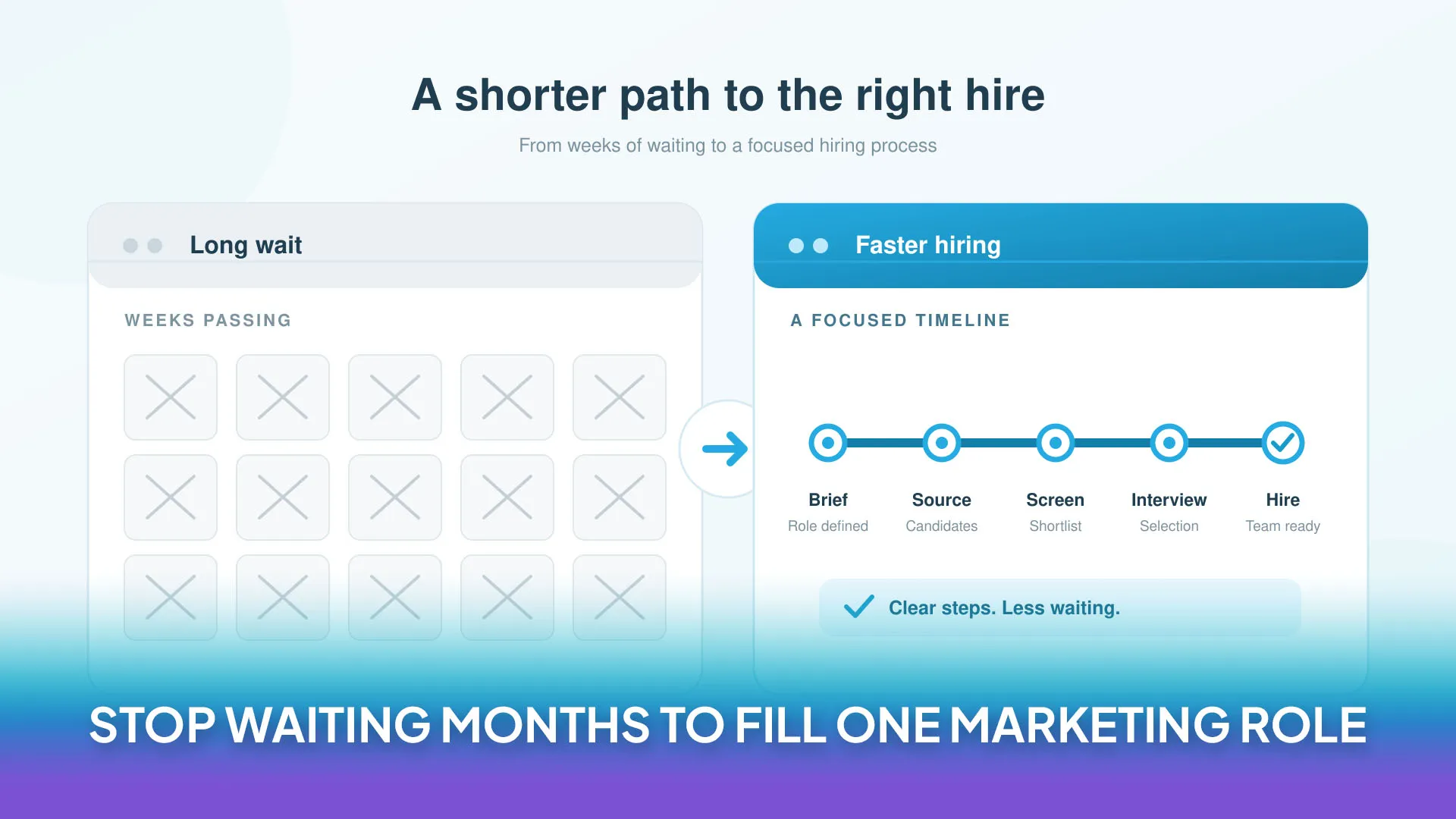
    A predefined hiring workflow helps streamline the recruitment process by eliminating confusion, standardising candidate evaluation, and reducing decision delays. When every hiring stage is clearly outlined—from sourcing to final offer—recruiters and hiring managers work faster and more confidently, ensuring consistency across all roles and enabling an efficient recruitment process.
  2. Use Data-Driven Screening and Assessment
    Smart hiring tools allow teams to streamline the recruitment process with data-backed decisions instead of guesswork. By analysing skill match, behavioural traits, and past performance indicators, companies can shortlist stronger candidates in less time, reduce human bias, and improve recruitment workflow without compromising quality.
  3. Reduce Manual Tasks with Automation
    Recruitment automation helps streamline the recruitment process by minimising repetitive tasks such as resume sorting, interview scheduling, and follow-ups. Automated alerts and workflow triggers ensure that no candidate is overlooked, significantly improving hiring speed and freeing HR teams to focus on strategy and talent experience.
  4. Centralise Communication
    Poor communication delays hiring decisions and confuses candidates. To streamline the recruitment process, centralised communication platforms must replace endless back-and-forth emails. When all hiring updates, candidate interactions, and feedback are stored in one place, collaboration improves and hiring becomes more structured and predictable, making it easier to simplify hiring process challenges.

Modern Technology That Helps Streamline the Recruitment Process

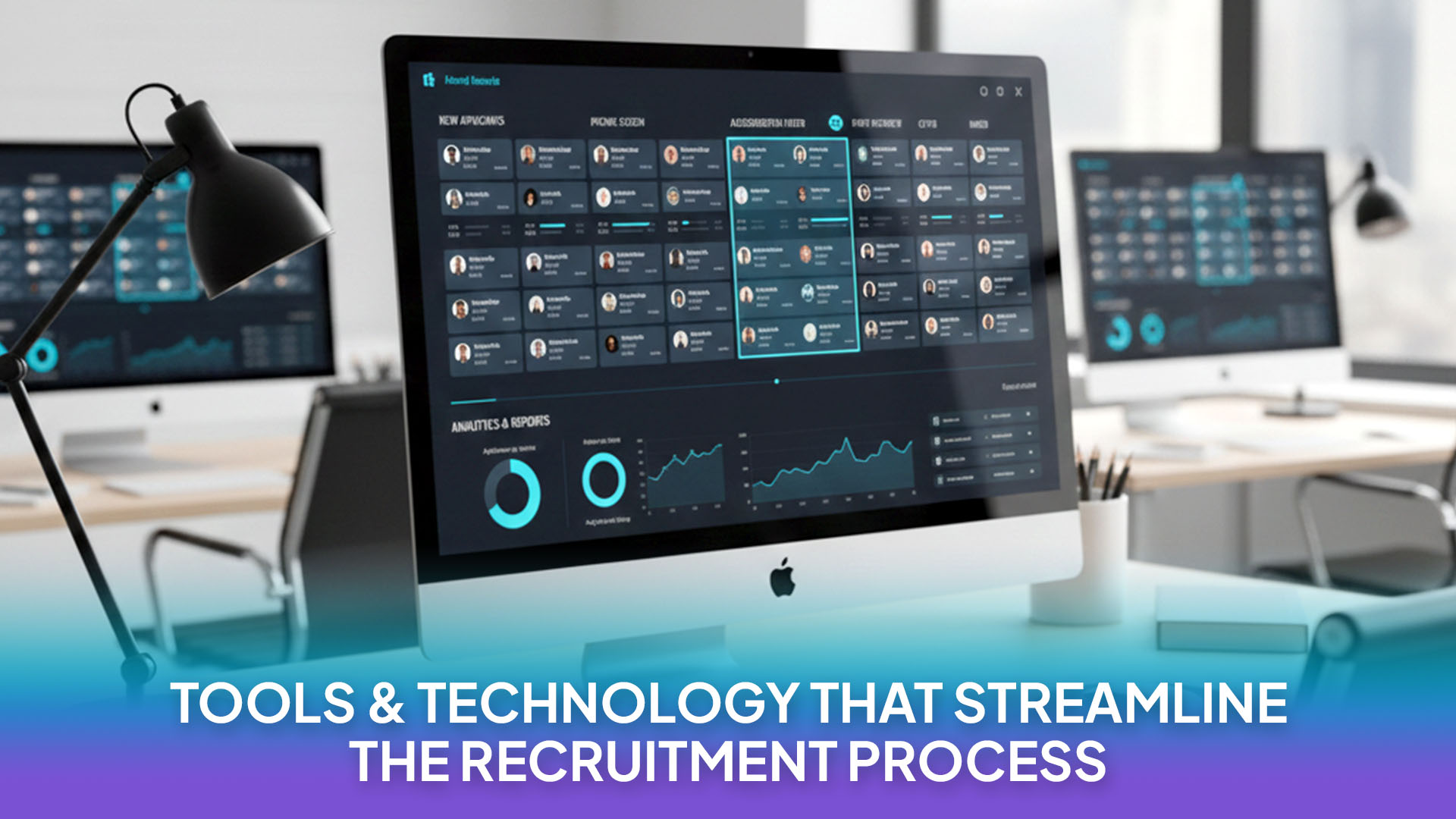
Companies now leverage AI tools, ATS platforms, and digital assessments to streamline the recruitment process end-to-end. These systems handle resume parsing, skill evaluation, and real-time candidate tracking, allowing recruiters to manage large volumes of applications efficiently and maintain an efficient recruitment process. They also provide valuable insights into candidate behaviour, recruiter productivity, and hiring performance.

When integrated well, hiring technologies streamline the recruitment process by linking job posting, screening, interviewing, and final evaluation into one seamless system. This reduces manual effort, improves hiring accuracy, minimizes human bias, and ensures recruiters spend more time engaging with top-quality candidates instead of managing administrative tasks. Companies that invest in recruitment automation and modern recruitment strategies are already outperforming competitors in speed and talent retention.

Benefits of Streamlining the Recruitment Process

  • Reduces hiring time and operational cost by eliminating delays and unnecessary manual work when companies streamline the recruitment process.

  • Improves candidate communication and feedback through structured hiring workflows and consistent follow-ups.

  • Enables data-driven workforce planning by offering insights into talent needs, conversion ratios, and hiring performance.

  • Ensures compliance and documentation accuracy, making hiring legally safe and audit-ready.

  • Strengthens employer brand perception by delivering a smooth and professional hiring experience.

  • Makes it easier to replicate success across teams when organisations streamline the recruitment process and maintain consistency in hiring.

  • The more you streamline the recruitment process, the more strategic, scalable, and efficient recruitment process becomes.

How Streamlined Hiring Improves Business Growth

Companies that consistently streamline the recruitment process build predictable hiring pipelines that directly support business expansion. This leads to better workforce utilisation, faster onboarding, and stronger employee retention because roles are filled with the right talent at the right time.

A streamlined system also reduces hiring errors and prevents costly mismatches, allowing HR teams to focus on long-term talent planning instead of constantly firefighting hiring challenges. Organisations that improve recruitment workflow and apply modern recruitment strategies experience measurable productivity gains across teams.

Ultimately, the decision to streamline the recruitment process is not just an HR initiative—it is a strategic business move that improves productivity, profitability, scalability, and organisational performance.

Conclusion

If you truly want to accelerate hiring success, reduce inefficiencies, and build stronger teams, you must streamline the recruitment process intelligently. This requires structured planning, data-backed decision-making, and recruitment automation that removes unnecessary delays. With clear workflows and open communication, organisations can turn hiring into a competitive advantage rather than a time-consuming challenge.

And when you partner with the right Recruitment agency in India, you not only streamline your recruitment process faster, but also ensure you hire the right people at the right time, with long-term business impact, improved retention rates, and a future-ready talent pipeline that strengthens business growth.

Frequently Asked Questions (FAQs)

1. How can HR teams streamline the recruitment process effectively?

 HR teams can streamline hiring by standardising workflow stages, using screening tools, centralising communication, and reducing manual steps. This improves decision-making and accelerates candidate selection without compromising quality.

 Streamlining hiring helps companies save time, reduce costs, and improve the candidate experience. It ensures faster decision cycles and prevents talent loss to competitors who move quickly.

 Clear job descriptions, automation tools, structured interview formats, and transparent internal communication are some of the most effective ways to improve hiring efficiency and outcomes.

 Automation reduces repetitive tasks like resume screening, interview scheduling, and follow-ups. It allows HR teams to focus on strategy and candidate engagement instead of basic admin tasks.

 Applicant tracking systems, AI-driven screening platforms, video interview tools, and workflow automation software all support faster and more organised hiring operations.

Search