



You are currently viewing Talent-Focused Recruitment: 7 Smart Ways Teams Scale Faster
Talent-Focused Recruitment: 7 Smart Ways Teams Scale Faster

Talent-Focused Recruitment: 7 Smart Ways Teams Scale Faster

Hiring decisions may seem small initially, but their impact lasts far longer than expected. We’ve seen startups and agencies grow quickly, only to slow down because early hiring choices lacked long-term alignment. This is where talent-focused recruitment becomes critical to sustainable success.

From our experience, talent-focused recruitment transforms hiring from urgency-driven decisions into a growth-driven strategy. Rather than simply filling roles, we build teams that evolve alongside the business. For startups and agencies operating in fast-changing environments, hiring the right talent early directly influences execution speed, team culture, and long-term scalability.

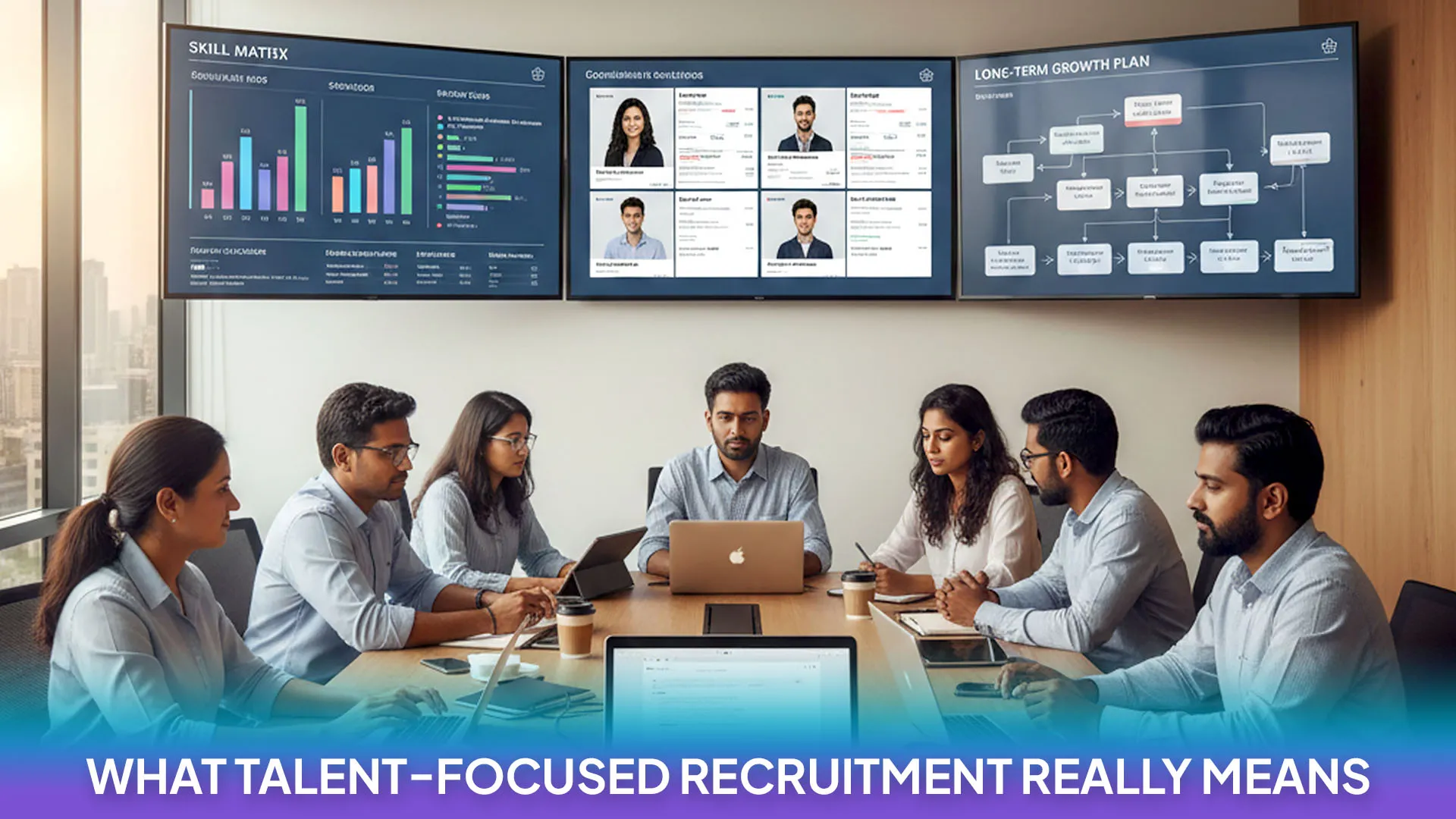
What Talent-Focused Recruitment Really Means

At its core, talent-focused recruitment is about hiring people who contribute beyond immediate tasks. We don’t just assess whether a candidate can do the job today—we evaluate whether they can grow with the role tomorrow. This mindset is essential for both startups and agencies, where responsibilities evolve quickly.

Traditional hiring often prioritises speed or cost. In contrast, talent-focused recruitment prioritises capability, adaptability, and mindset. This approach strengthens quality talent acquisition, ensuring teams are resilient rather than fragile.

We look closely at problem-solving ability, ownership, communication style, and learning agility. These traits consistently determine long-term performance. When hiring decisions align with business objectives, companies reduce churn and build stronger internal foundations.

Ultimately, talent-focused recruitment creates teams that scale smoothly, collaborate effectively, and stay aligned with company values.

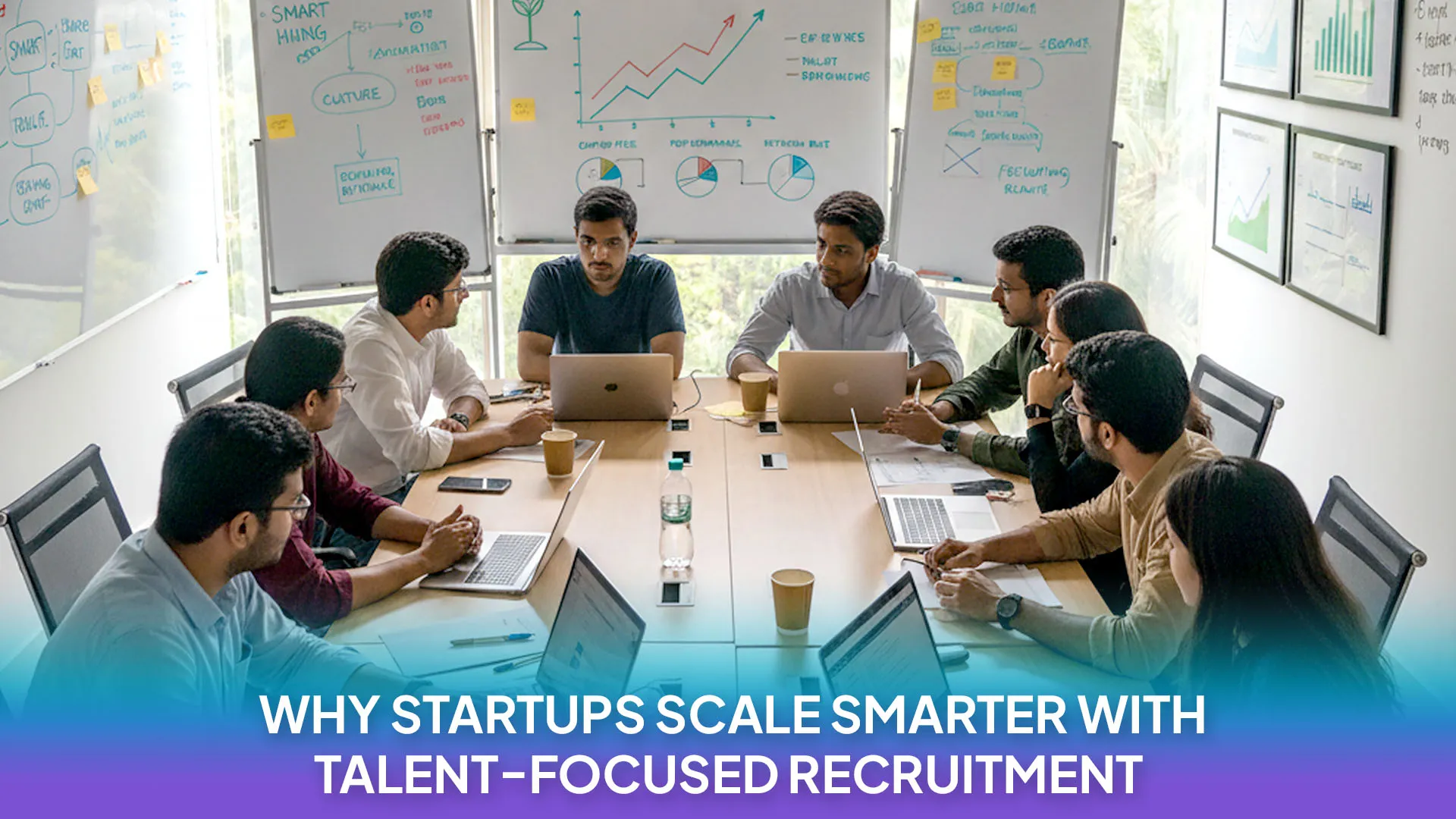
Why Startups Scale Smarter with Talent-Focused Recruitment

Startups operate with limited margins for error. Every hire has a disproportionate impact on momentum, culture, and delivery. That’s why talent-focused recruitment is central to effective startup hiring solutions.

Here’s how startups benefit:

  • Lower attrition and rehiring costs
    Hiring with a long-term lens reduces early exits and stabilises teams.
  • Greater accountability and ownership
    Talent-first hires take initiative, supporting execution without constant oversight.
  • Lean but high-performing teams – especially in creative roles and growth-focused positions. Startups can scale output without aggressively increasing headcount.
  • Internal leadership development
    A strong recruitment strategy for startups enables internal promotions as teams grow.
  • Improved investor and client confidence
    Strong teams signal operational readiness and maturity.

When startups align talent-focused recruitment with hiring for business growth, they build teams that grow alongside the company, not ahead or behind it.

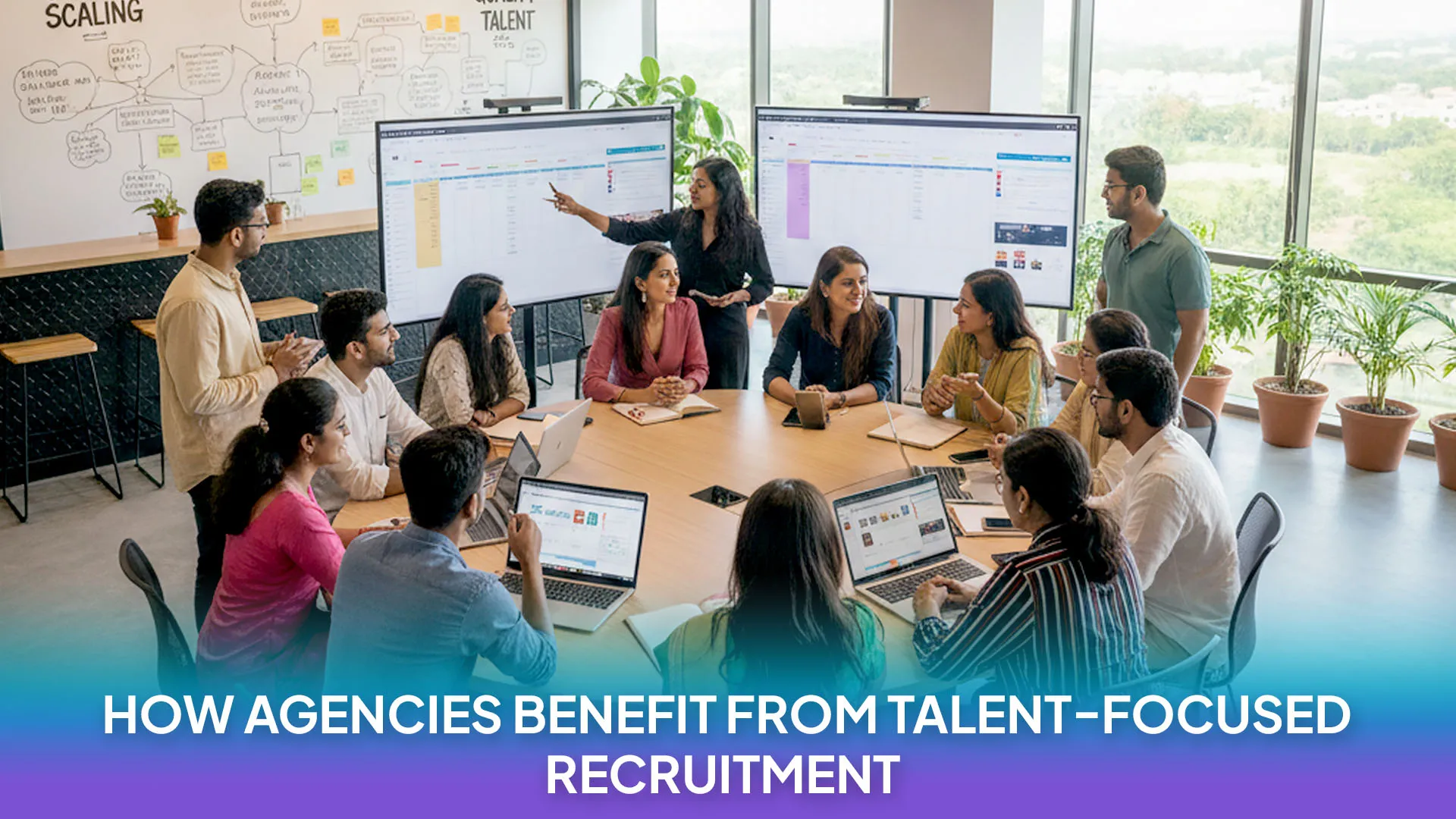
How Agencies Benefit from Talent-Focused Recruitment

For agencies, talent is directly tied to client outcomes. Every project’s success depends on the right mix of skills, creativity, and execution. This makes talent-focused recruitment a competitive necessity rather than just a hiring preference.

Key advantages for agencies include:

  • Consistent quality across client accounts
    With strong agency recruitment services, delivery doesn’t depend on a few individuals. Agencies benefit from having Graphic Designers and Video Editors who consistently produce high-quality work, ensuring every client receives a reliable, polished output.

  • Better client retention
    Stable, skilled teams build trust and long-term relationships. By hiring Marketing Executives and Business Development professionals aligned with client needs, agencies can strengthen communication, strategy, and client satisfaction over time.

  • Scalable team structures
    Agencies can confidently onboard new clients without operational strain. With talent-focused recruitment, UI and UX Designers can be brought in as needed to handle design demands while maintaining brand consistency across multiple projects.

  • Stronger collaboration and morale
    Right-fit hires reduce friction and burnout. When teams include the right mix of creative, technical, and client-facing roles, collaboration becomes smoother and morale improves across departments.

  • Future leadership pipelines
    Talent-focused hiring identifies potential team leads early. Promoting from within ensures continuity, and hiring adaptable professionals supports long-term agency growth and leadership development.

Agencies that prioritise quality talent acquisition through talent-focused recruitment scale more predictably, protect their brand reputation, and deliver consistent results for clients—helping teams grow stronger while projects succeed.

Building Teams That Support Business Growth

Scaling teams successfully requires structure, clarity, and consistency. Through talent-focused recruitment, we help businesses grow without compromising quality.

  • First, we align hiring with outcomes. Every role is mapped to business impact, reinforcing hiring for business growth rather than reactive staffing.
  • Second, we assess both technical skills and mindset. This balance ensures quality talent acquisition while maintaining flexibility.
  • Third, we apply structured evaluations without rigidity. This supports a clear recruitment strategy for startups and agencies while allowing human judgment.
  • Fourth, transparency is prioritised. Clear expectations reduce early attrition and strengthen trust.
  • Finally, onboarding is treated as part of recruitment. When talent is integrated effectively, productivity accelerates and engagement improves.

Through talent-focused recruitment, scaling becomes intentional, not chaotic.

The Long-Term Impact of Talent-Focused Recruitment

The benefits of talent-focused recruitment compound over time. Businesses experience higher productivity, better collaboration, and stronger leadership pipelines.

Leaders regain time and focus as teams become more self-sufficient. Financially, strong startup hiring solutions reduce rehiring costs and improve ROI. For agencies, consistent performance leads to better margins and client retention.

Most importantly, talent-focused recruitment builds confidence—confidence that teams can adapt, deliver, and grow under pressure.

Conclusion

Startups and agencies don’t scale smarter by hiring faster—they scale smarter by hiring better. Talent-focused recruitment shifts hiring from a reactive task to a strategic growth driver, ensuring every hire strengthens performance, culture, and long-term scalability. When businesses prioritise capability, adaptability, and alignment, teams grow with purpose rather than pressure.

At our company, we specialise in talent-focused recruitment through tailored startup hiring solutions and agency recruitment services. With deep role understanding and a long-term hiring mindset, we help businesses build resilient teams that scale with clarity, confidence, and sustainable growth.

Frequently Asked Questions (FAQs)

What is talent-focused recruitment and why does it matter?

Talent-focused recruitment prioritises long-term capability, adaptability, and cultural alignment over speed. It matters because it reduces attrition, improves performance, and helps startups and agencies scale sustainably.

Startups can hire for long-term growth by focusing on potential, ownership mindset, learning agility, and role evolution rather than short-term skill matching or urgent hiring needs.

Resumes don’t reflect problem-solving ability, adaptability, collaboration style, or growth potential. Modern hiring requires evaluating skills in action, mindset, and cultural fit to ensure long-term success.

Agencies identify high-impact talent by assessing past performance, client-facing skills, execution quality, collaboration ability, and adaptability—ensuring candidates can consistently deliver value across accounts.

Startups and agencies should avoid rushing hires, prioritising cost over capability, ignoring cultural alignment, unclear role expectations, and failing to evaluate long-term growth potential.

Search