


Startup hiring strategies in India have evolved from simple recruitment processes into strategic growth frameworks. In 2026, hiring is no longer just about filling vacancies—it is about building future-ready teams that can scale, adapt, and innovate in an increasingly competitive startup ecosystem.
We’ve worked with founders across multiple growth stages, from early bootstrapped startups to fast-scaling ventures. What we’ve consistently seen is that startups that invest in structured startup hiring strategies in India outperform those that rely on instinct-driven decisions. In this blog, we break down actionable strategies aligned with Indian startup hiring trends 2026, helping founders navigate talent shortages, budget constraints, and rapid organisational change with confidence.
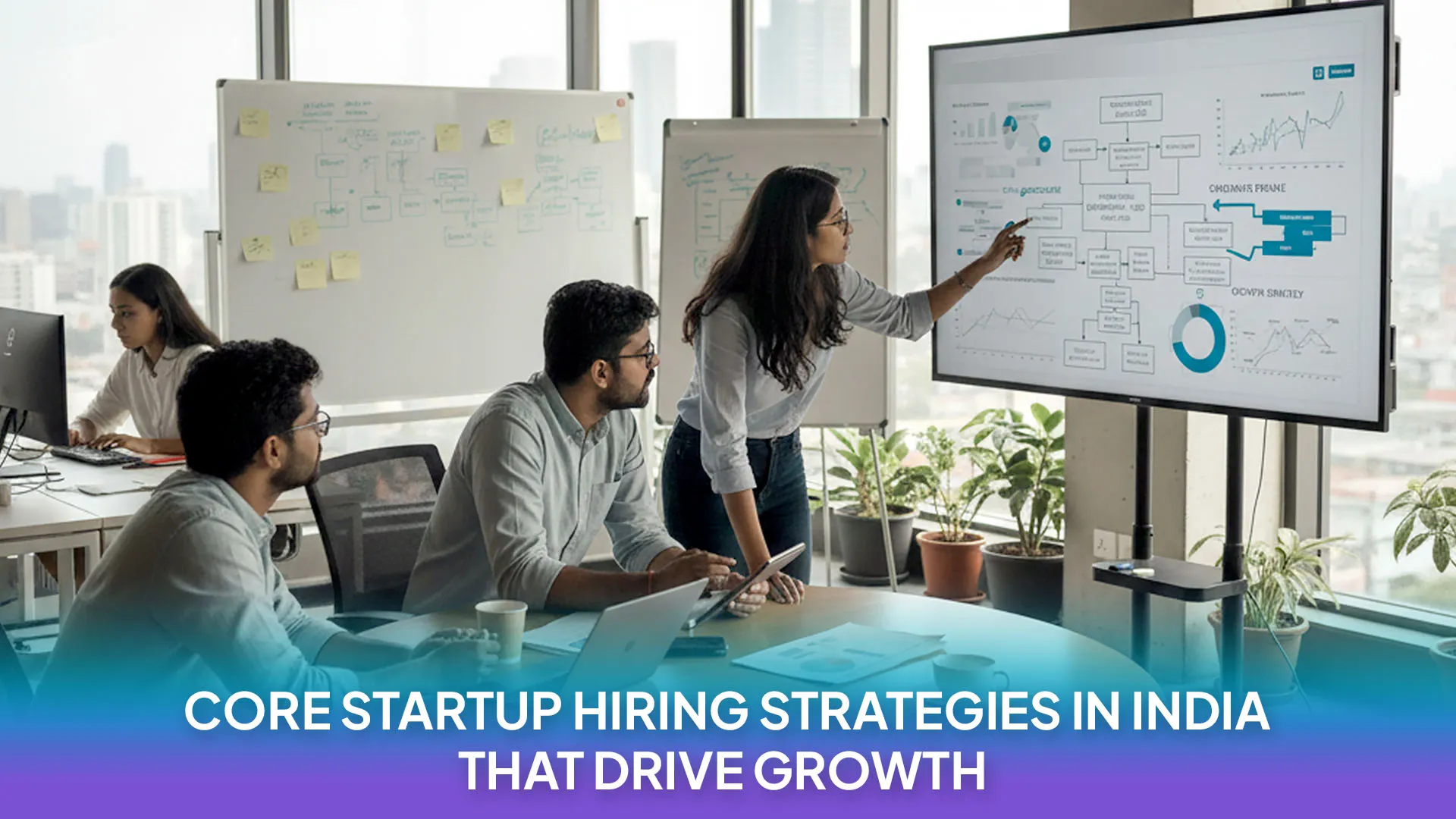
Core Startup Hiring Strategies in India That Drive Sustainable Growth
Strong startup hiring strategies in India are rooted in clarity and long-term thinking. Every hiring decision affects company culture, operational efficiency, and burn rate, making it essential to approach recruitment with purpose.
1. Hire for Adaptability, Not Just Experience
In startups, roles evolve quickly. We’ve seen candidates with fewer years of experience outperform seasoned professionals simply because they adapt faster. When implementing startup hiring strategies in India, prioritising adaptability, a learning mindset, and resilience leads to stronger long-term outcomes.
2. Design Roles With Scalability in Mind
Hiring reactively often results in mismatched roles. Effective startup recruitment strategies involve defining responsibilities that can expand as the company grows. This reduces rehiring costs and builds continuity within teams.
3. Communicate Vision, Impact, and Growth Clearly
Today’s candidates want more than job security—they want purpose. Founders who clearly articulate their mission, growth roadmap, and impact attract aligned talent, reinforcing sustainable startup hiring strategies in India.
4. Implement Structured Hiring Frameworks
Unstructured interviews introduce bias and inconsistency. Structured assessments, skill-based tasks, and scorecards ensure fair evaluation and better hiring decisions across all startup hiring strategies in India.
5. Align Hiring With Business Milestones
Hiring should follow strategy, not urgency. Aligning recruitment with funding rounds, product launches, and expansion plans ensures optimal use of resources and supports long-term scalability.
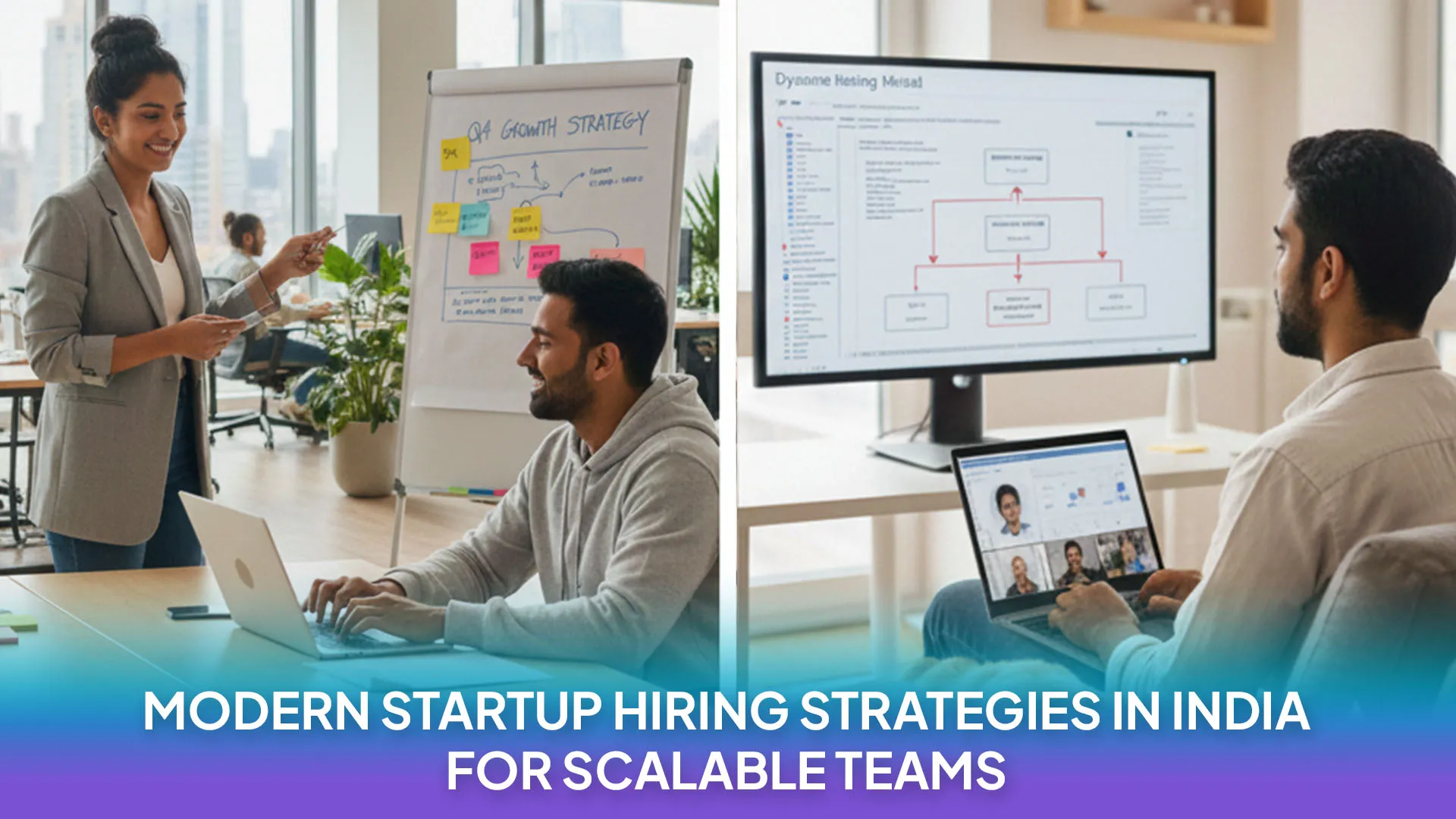
Startup Hiring Strategies in India: Shaping Modern Recruitment Models
As startups mature, startup hiring strategies in India are shifting from traditional recruitment toward agile, tech-enabled models that prioritise efficiency and flexibility.
1. Lean Teams With Multi-Skilled Talent
Hiring specialists for every function is often unrealistic. Modern founders focus on versatile professionals who can manage cross-functional responsibilities. This approach strengthens talent acquisition for startups while keeping operational costs under control.
2. Remote and Hybrid Hiring as a Standard
Remote work has redefined hiring boundaries. Startups now access nationwide talent pools, enabling smarter startup hiring strategies in India without geographical limitations.
3. Speed Without Compromising Quality
Fast hiring is essential, but rushed decisions can be costly. Balanced startup hiring strategies in India combine quick turnarounds with thorough assessments to maintain hiring quality.
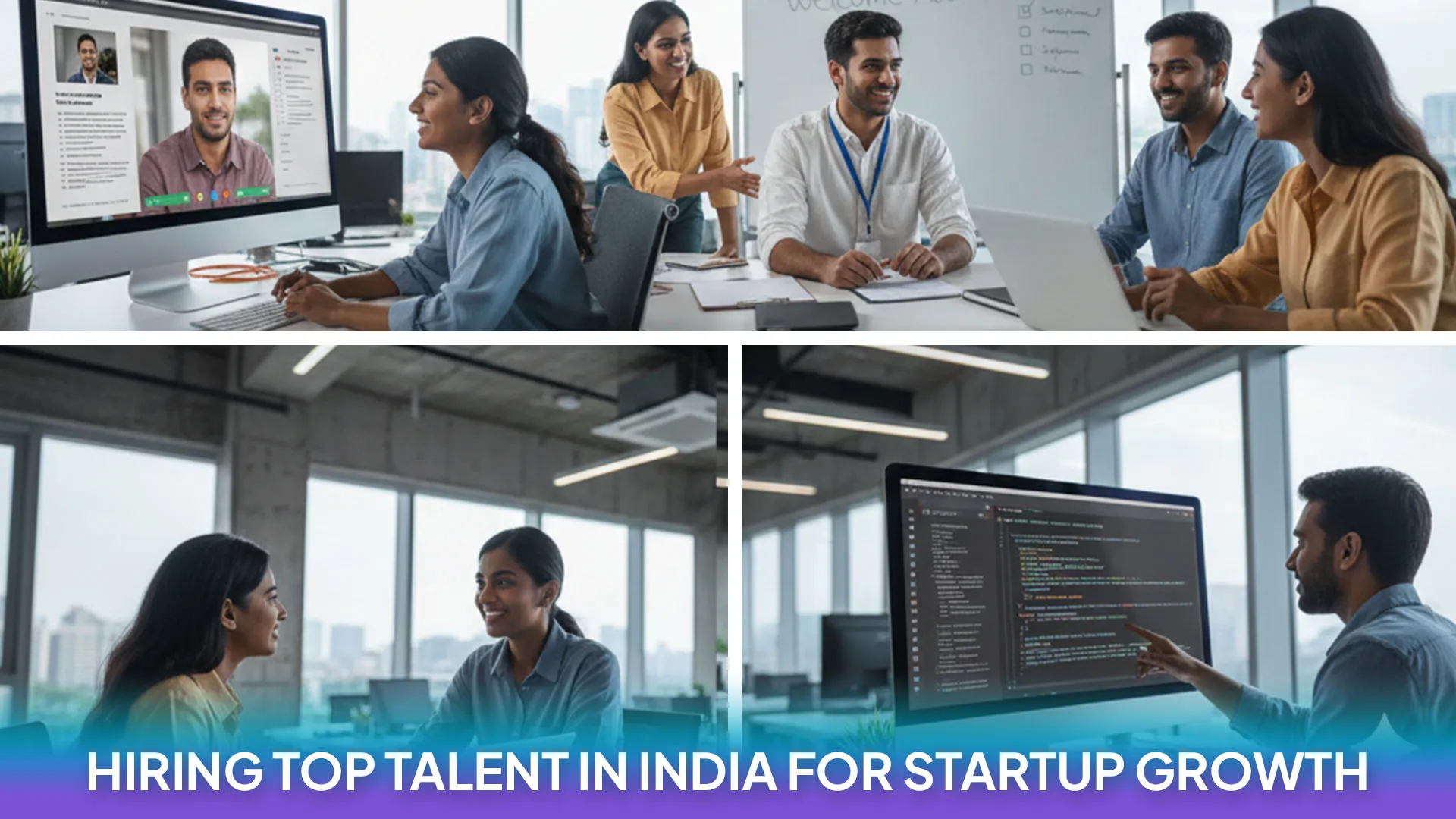
Hiring Top Talent in India: What Startups Must Prioritise
In 2026, hiring top talent in India requires much deeper evaluation than resumes, job titles, or years of experience. From our experience in startup recruitment in India, successful hiring depends on identifying candidates who can thrive in fast-paced, high-responsibility environments. This is especially important when hiring talent for startups, where roles evolve quickly, and every hire has a direct impact on growth.
Ownership and Accountability: Startups need individuals who take full responsibility for their work and outcomes. Strong ownership improves execution speed, accountability, and team morale without the need for constant supervision.
Learning Agility and Upskilling: With technology and business needs changing rapidly, adaptable professionals who continuously learn and upskill contribute more effectively to long-term startup success.
Problem-Solving and Innovation: Startups grow through innovation. Hiring individuals who proactively identify challenges and deliver solutions helps maintain competitiveness in dynamic markets.
Working with a recruitment agency for startups in India ensures access to candidates who combine skills, mindset, and cultural alignment.
Talent Acquisition for Startups: Building Teams That Scale
Successful talent acquisition for startups focuses on building teams that support long-term growth rather than short-term hiring fixes. Startups benefit most when hiring decisions are made with future scalability in mind.
Hiring with Leadership Potential: Identifying leadership traits early reduces future hiring pressure and supports succession planning. This approach strengthens startup hiring strategies in India by creating internal leadership pipelines.
Cultural Alignment for Retention: Culture directly impacts performance. Candidates who align with startup values collaborate better, stay engaged longer, and contribute consistently to team success.
Transparency in Hiring: Clear role expectations and honest communication during the hiring process reduce early attrition, build candidate trust, and support sustainable startup hiring strategies in India.
Recruitment Tips for Startups Navigating Competitive Markets
Execution plays a crucial role in hiring success. These recruitment tips for startups help founders optimise outcomes while keeping hiring processes simple and efficient.
Streamline Decision-Making: Long hiring cycles often lead to candidate drop-offs. Faster, well-structured decisions strengthen startup hiring strategies in India and improve the overall candidate experience.
Build Talent Pipelines Proactively: Networking and engaging potential candidates before roles open enables quicker hiring when demand arises. This is one of the most effective recruitment tips for startups aiming to scale efficiently.
Measure Hiring Performance: Tracking metrics such as time-to-hire, candidate performance, and retention allows founders to continuously refine startup hiring strategies in India and make data-driven improvements.
Indian Startup Hiring Trends 2026 Every Founder Should Watch
Understanding Indian startup hiring trends 2026 is essential for founders who want to remain competitive and future-ready in a rapidly evolving ecosystem. Hiring models are shifting as startups prioritise flexibility, efficiency, and measurable outcomes over traditional practices.
Skills-First Hiring Models: Degrees and formal titles are becoming less important than demonstrable skills and real-world experience. This shift is significantly reshaping startup hiring strategies in India, especially in tech, marketing, and product roles.
Flexible Work Expectations: Hybrid, remote, and project-based roles are now standard across startups. These models help founders access wider talent pools while improving cost efficiency and employee satisfaction.
Data-Driven Hiring Decisions: Analytics-backed recruitment enables better evaluation, improved retention, and faster decision-making. Leveraging data aligns hiring processes with evolving Indian startup hiring trends 2026 and supports long-term growth.
Conclusion
As competition intensifies, startup hiring strategies in India will be the defining factor between startups that scale successfully and those that struggle to sustain momentum. Founders who hire with intention, invest in people strategy, and adapt to market shifts build resilient teams capable of long-term success.
At 10X Hiring, we specialise in helping founders implement proven startup hiring strategies in India tailored to each growth stage. With deep expertise in startup recruitment and talent planning, we help reduce hiring risks, improve candidate quality, and support sustainable growth in India’s evolving startup ecosystem.
Frequently Asked Questions (FAQs)
1. How can startups hire top talent in India?
Startups can hire top talent in India by clearly defining roles, prioritising skills and adaptability, building a strong employer brand, and offering growth opportunities. Structured interviews and cultural alignment also help attract candidates suited to startup environments.
2. What are the best recruitment strategies for startups?
The best recruitment strategies for startups include skills-based hiring, fast decision-making, proactive talent sourcing, and clear communication of vision. Partnering with specialised recruitment agencies also helps startups access startup-ready talent faster.
3. How do Indian startups optimize their hiring process?
Indian startups optimise their hiring process by reducing hiring cycles, using structured assessments, tracking hiring metrics, and aligning recruitment with business goals. Technology-driven tools further improve efficiency and candidate experience.
4. What mistakes should startups avoid while hiring?
Startups should avoid rushing hiring decisions, ignoring cultural fit, unclear role definitions, and hiring solely based on resumes. Lack of transparency and delayed communication often lead to poor hires and early attrition.
5. How is hiring in Indian startups evolving in 2026?
Hiring in Indian startups in 2026 is becoming more skills-focused, data-driven, and flexible. Startups are embracing remote work, faster hiring models, and analytics-backed decisions to stay competitive in a dynamic talent market.
Search

Hiring Marketing Specialists vs Generalists: The ₹10 Lakh Mistake Agencies Keep Making
You won the client with a strong pitch. Six months later, they’re asking why their ad costs keep climbing, and nobody can explain it clearly. Then comes the email you

Digital Marketing Hiring: Why New Hires Fail in 90 Days (And It’s Rarely About Skills)
You interviewed well. The candidate had the right tools on their CV, a decent portfolio and a calm answer for every question. Three months later, they’re gone, or you’re quietly
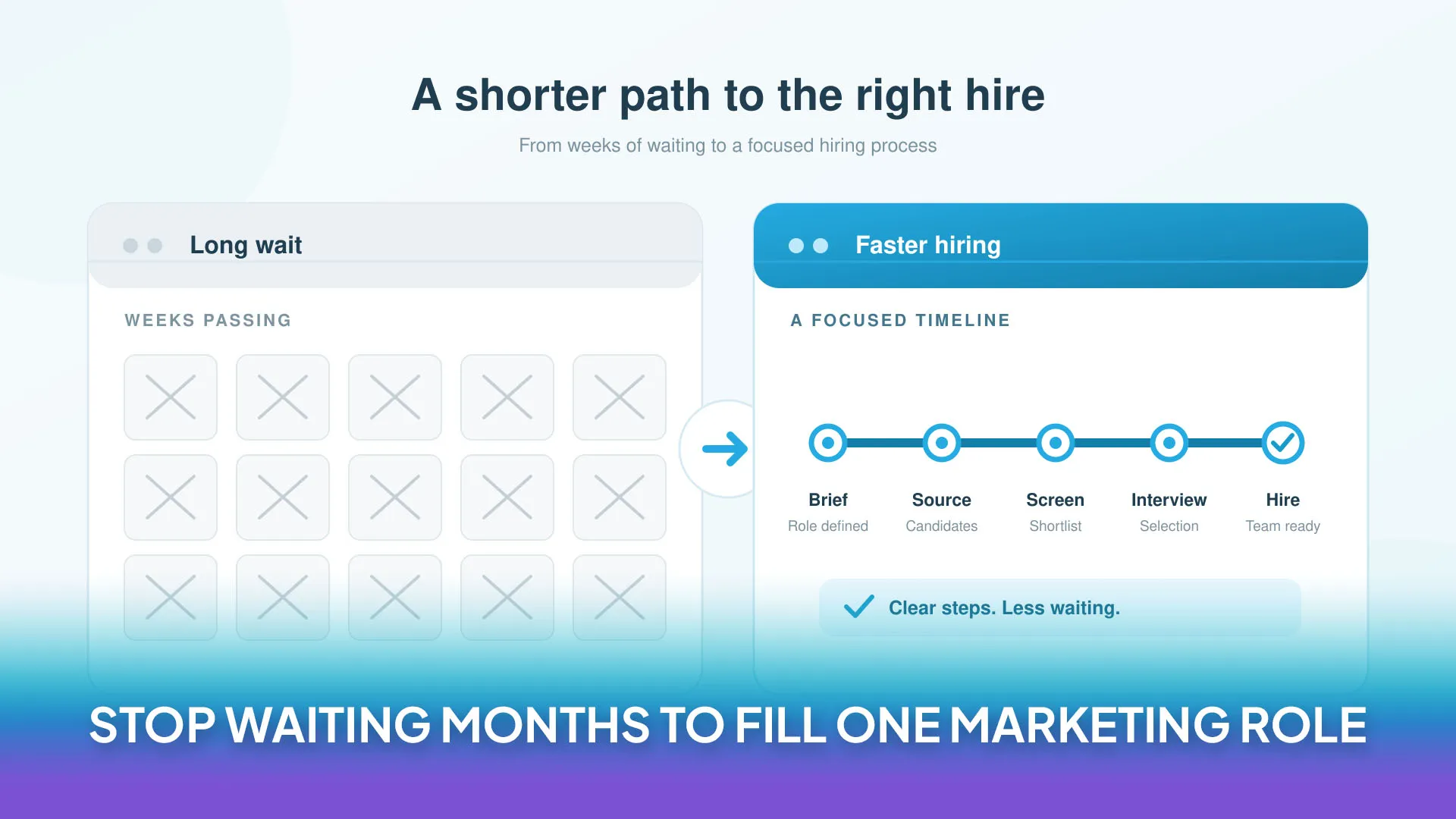
How Marketing Recruitment Agencies Help You Hire Top Talent Faster
Introduction Why does hiring a good marketer sometimes take longer than launching an entire campaign? Why do the strongest candidates disappear before the interview process is complete? And what does
In-House Marketing Team vs Agency: Which One Actually Grows Your Business?
Introduction “Do you build out your own marketing team, or just hand it over to an agency that’s already been through this a hundred times?” And is in-house really the
Digital Marketing Internship Guide to Get Hired in 2026
The Internship Nobody Tells You About Here is something most career guides skip over: the digital marketing internship you land in 2026 will not look like the ones from five